
Understanding Flooring Materials
Choosing the right flooring can set the tone for your entire home. With numerous options available, understanding the types of flooring can help you make the best decision for your space. As one of the most sought-after choices in metropolitan areas like Chicago, flooring needs to meet both aesthetic and functional requirements. This article will delve into the different flooring options available, including Luxury Vinyl Plank (LVP) flooring, which has gained immense popularity. Whether you’re renovating an existing home or building a new one, knowing your choices is vital. For inspiration, check out this fantastic flooring chicago.
Types of Flooring Chicago Offers
Chicago’s diverse architectural styles call for various flooring materials, each offering unique benefits. Here’s a breakdown of the most common types:
- Hardwood Flooring: Known for its natural beauty and durability, hardwood flooring remains a classic choice. It can be refinished, providing longevity and maintaining its appeal over time.
- Laminate Flooring: Laminate mimics the appearance of wood or stone at a lower cost. It is relatively easy to install and maintain, making it a great alternative for budget-conscious homeowners.
- Tile Flooring: Ideal for bathrooms and kitchens, tile flooring is water-resistant and comes in countless designs. From ceramic to porcelain, options are abundant for all tastes.
- Carpet: Offering warmth and comfort, carpeting is perfect for bedrooms and cozy spaces. Its variety of textures and colors can complement any décor.
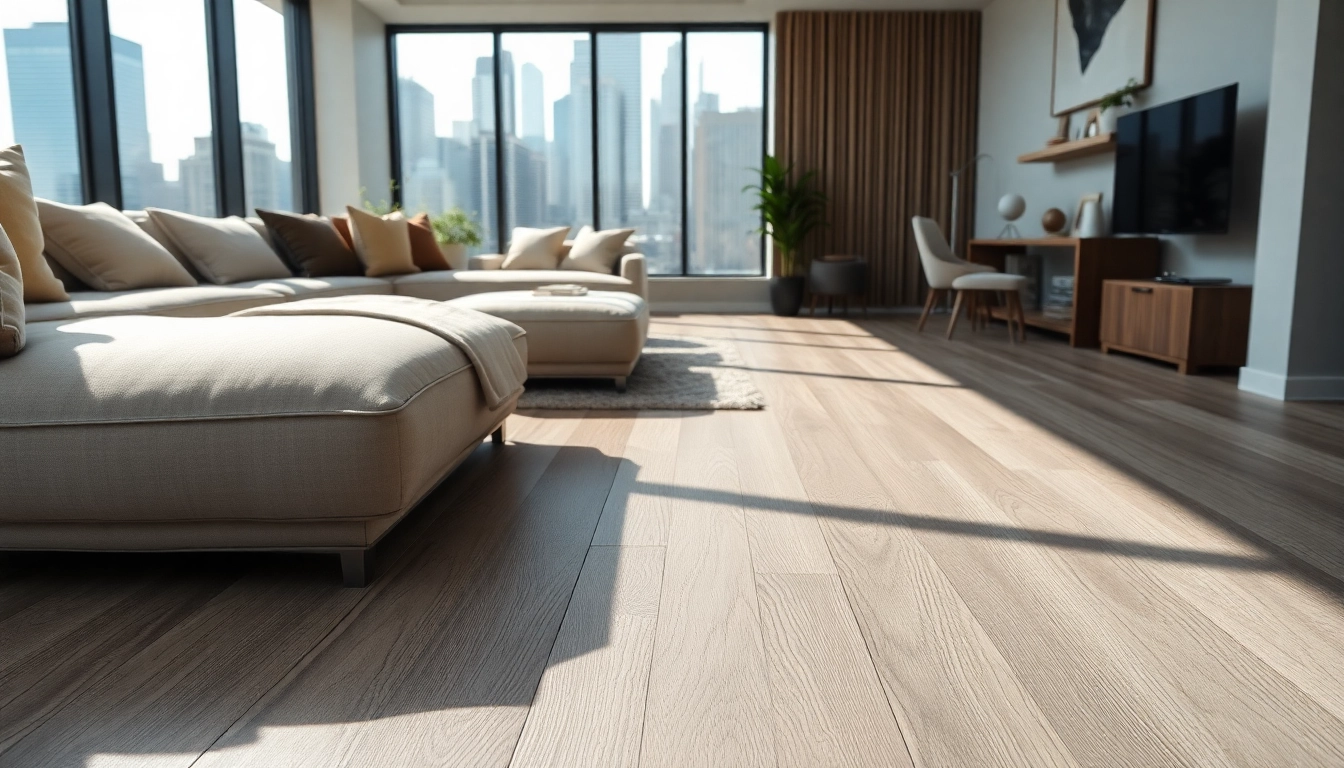
- Luxury Vinyl Plank (LVP) Flooring: LVP is designed to look like wood but comes with greater durability and water resistance. It’s becoming a preferred option in both residential and commercial settings.
Benefits of LVP Flooring
Luxury Vinyl Plank (LVP) flooring has emerged as an attractive choice for many homeowners. Here are some benefits that make LVP stand out:
- Water Resistance: Unlike traditional hardwood, LVP is highly resistant to moisture, making it suitable for kitchens and bathrooms.
- Durability: LVP is designed to withstand heavy foot traffic and is resistant to scratches and dents, which is essential for family homes.
- Easy Installation: Many LVP products feature a click-lock installation system, allowing for easier DIY renovations.
- Affordability: Compared to hardwood, LVP offers a budget-friendly flooring solution without compromising aesthetics.
- Variety of Designs: LVP comes in a wide range of colors, patterns, and textures, allowing homeowners to achieve their desired look.
Choosing the Right Flooring Material
Selecting the right flooring material hinges on several factors, including lifestyle, budget, and aesthetics. Here are key considerations:
- Foot Traffic: Consider the areas in your home that experience the most foot traffic when selecting flooring, as some materials are more durable than others.
- Climate: In moisture-prone areas, selecting water-resistant materials like LVP can prolong the life of your flooring.
- Maintenance Requirements: Some flooring materials require more upkeep than others. For example, carpet will need regular cleaning, whereas tile and LVP can often be wiped clean easily.
- Style Preferences: Reflect on the overall aesthetic of your home. Choose a material that harmonizes with your interior design.
- Budget: Establish a budget prior to starting your flooring project to ensure you remain within your financial limits.
Why LVP Flooring is Ideal for Homes
As the demand for versatile and stylish flooring solutions grows, LVP flooring has become a top contender for homeowners. Below, we explore what makes LVP an ideal choice for various living spaces.
Durability and Maintenance
One of the most appealing aspects of LVP flooring is its durability. Built to withstand scratches, stains, and dents, it remains visually appealing even under high traffic:
- Scratch Resistance: The wear layer in LVP is designed to prevent scratches and provide a protective barrier enhancing longevity.
- Easy Cleaning: Cleaning LVP is straightforward—regular sweeping and occasional mopping suffice to maintain its shine.
- Resistant to Fading: Unlike some hardwood options, LVP does not fade when exposed to sunlight, ensuring your floors look beautiful over time.
Cost-Effectiveness of LVP Flooring
LVP flooring offers exceptional value for money, making it an attractive choice for homeowners budgeting their renovations. Here are some financial advantages:
- Lower Installation Costs: The ease of installation can significantly reduce labor costs if you choose a DIY approach.
- Longer Lifespan: While initial costs may vary, the durability translates into fewer replacements over time.
- Reduced Maintenance Expenses: LVP requires minimal maintenance, saving homeowners time and money on upkeep.
Design Flexibility
One of the most appealing features of LVP flooring is its extensive range of designs. Homeowners are no longer limited to traditional aesthetics:
- Variety of Styles: From wood looks to stone textures, there’s an LVP option to suit any design preference.
- Customizable Finishes: Whether matte, glossy, or textured, LVP can cater to your style preferences.
- Color Options: The wide array of colors allows you to create a unique atmosphere tailored to your vision.
Installation Tips for Flooring Chicago
Once you’ve selected your flooring, the next step is installation. Proper installation is critical to ensure long-lasting results. Below are comprehensive tips to prepare your space and choose the best installation method.
Preparing Your Space
Before installation, adequate preparation is essential. Here are the steps to take:
- Clear the Area: Remove all existing furniture, rugs, and flooring.
- Clean the Subfloor: Ensure the subfloor is clean, dry, and level. A well-prepared subfloor ensures better adhesion and a smoother finish.
- Acclimate Your Flooring: Allow LVP to acclimate in the room to prevent expansion or contraction after installation.
DIY vs. Professional Installation
Deciding between DIY installation and hiring a professional can be daunting. Consider the following:
- DIY Benefits: Cost savings, flexible scheduling, and the satisfaction of completing the project yourself.
- Professional Benefits: Expertise, time-saving, and ensuring that the job meets the highest standards.
Tools and Materials Required
Whether you choose to DIY or hire professionals, knowing the required tools will help streamline the installation process:
- Tools: Miter saw, tape measure, utility knife, straight edge, and floor scraper.
- Materials: Underlayment, adhesive (if required), and of course, the LVP flooring itself.
Trends in Flooring Chicago
The world of flooring is constantly evolving, and Chicago is no exception. It’s essential to stay updated to choose the right designs and materials for your home. Here are some current trends in the flooring industry:
Popular Styles and Finishes
Design preferences often change, with homeowners gravitating toward modern aesthetics:
- Natural Looks: Simulated wood grain finishes are highly sought after, as they bring warmth and authenticity to any space.
- Matte Finishes: These are in vogue because they hide scratches and wear better than glossy finishes.
- Bold Patterns: Geometric and tile patterns are making a comeback, adding a contemporary touch to homes.
Eco-Friendly Options
With increasing awareness of sustainability, eco-friendly flooring options are gaining traction:
- Sustainable Materials: Many manufacturers now offer flooring made from recycled materials or sustainably sourced resources.
- Low-VOC Products: Options with low volatile organic compounds (VOCs) improve indoor air quality.
Future Predictions for Flooring Design
As we look ahead, several trends are likely to define the future of flooring design:
- Smart Flooring: Technology integration, such as sensors for temperature control or monitoring wear, is gaining interest.
- Customizable Solutions: Homeowners will increasingly seek customizable designs that reflect their personal style.
- Increased Focus on Comfort: Enhancements in materials to boost comfort and acoustics in flooring shall continue to rise.
Frequently Asked Questions
How do I maintain my LVP flooring?
Regular sweeping and mopping with a mild cleaner will keep your LVP looking its best. Avoid harsh chemicals that can damage the surface.
Is LVP flooring water-resistant?
Yes, LVP is designed to be water-resistant, making it ideal for areas prone to moisture, like kitchens and bathrooms.
Can I install LVP over existing floors?
In most cases, you can install LVP over existing floors as long as they are level, clean, and structurally sound.
What are the costs associated with LVP flooring?
Costs can vary widely based on the brand, style, and any additional installation fees. It’s best to consult with local suppliers for accurate estimates.
How does LVP compare with hardwood flooring?
LVP is generally more affordable, resistant to moisture, and easier to maintain than hardwood, but lacks the genuine wood feel.